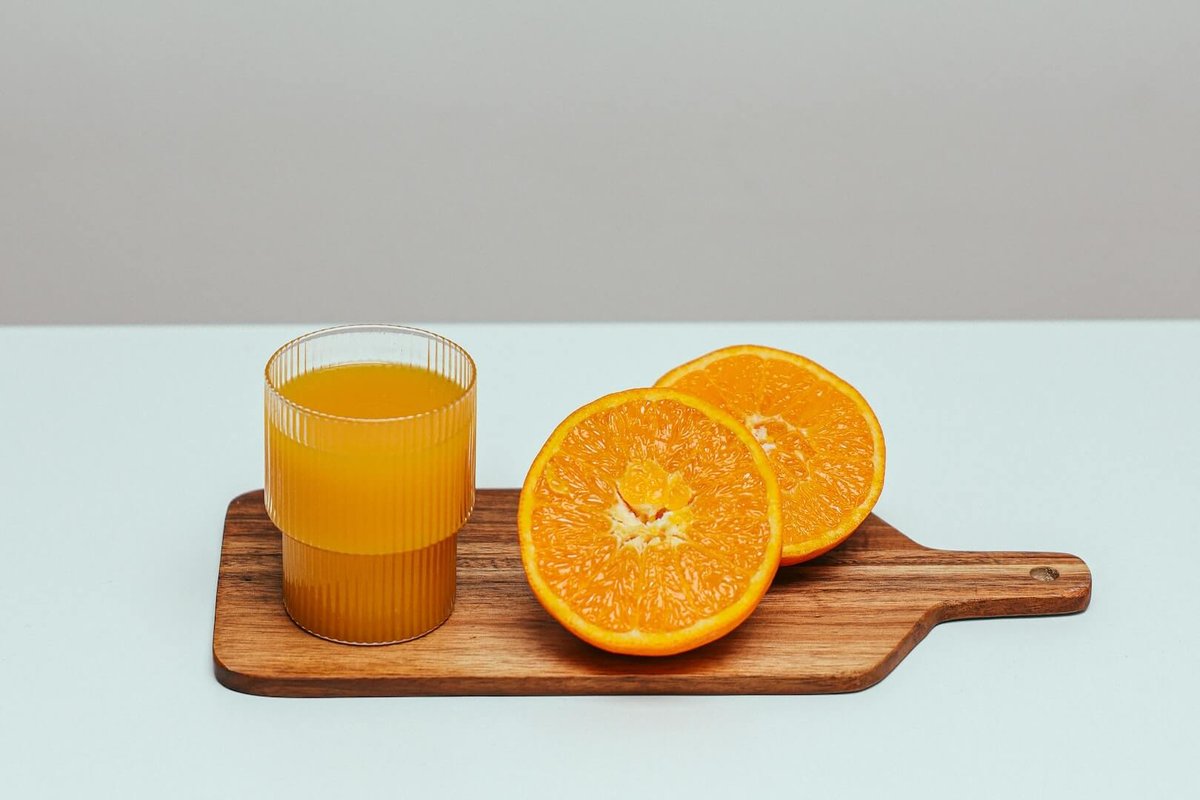
For any food and beverage brand, launching or scaling a juice product can feel like navigating a complex maze. From sourcing pristine ingredients to maintaining stringent quality controls and achieving efficient production, the challenges are significant. This is where Custom & Bulk Juice Production Services emerge as a game-changer, offering a strategic manufacturing partnership that can transform your vision into a market-ready reality without the crushing overhead.
Imagine a world where you focus solely on your brand's unique flavor profile and marketing strategy, while a trusted expert handles the intricate alchemy of turning raw produce into a perfectly bottled beverage. That’s the promise of a specialized juice manufacturer. They bring the infrastructure, expertise, and certifications that would take years and millions to build yourself, empowering businesses of all sizes to compete in a vibrant, often saturated, market.
At a Glance: Understanding Custom & Bulk Juice Production Services
- What they do: Produce juice (single-strength, concentrated, purées, juice stock) for other companies, often as a private label, contract manufacturer (CJM), or OEM.
- Why partner with them: Gain access to specialized equipment, food safety certifications, expertise in various processing methods, and scalable production without capital investment.
- Key offerings: Formulation assistance, ingredient sourcing, processing (cold-pressed, HPP, pasteurized), packaging, and sometimes distribution.
- Benefits: Cost-efficiency, faster market entry, quality assurance, regulatory compliance, and the ability to focus on your core brand and sales.
- Who benefits: Startups, small businesses, established brands expanding product lines, and companies needing seasonal or specialty production.
Why Go Pro? The Strategic Edge of Third-Party Juice Manufacturing
The decision to outsource your juice production isn't just about handing off a task; it's a strategic move that can dramatically influence your brand's trajectory. Partnering with a third-party juice manufacturer, whether for contract manufacturing (CJM) or as an Original Equipment Manufacturer (OEM), offers distinct advantages that are hard to replicate in-house.
Access to Specialized Expertise & Infrastructure
Most businesses simply don’t have the capital to invest in a state-of-the-art juice processing plant. These facilities require specialized machinery for washing, pressing, blending, pasteurizing, and bottling. A custom juice producer already has this infrastructure in place, along with a team of food scientists and production specialists. They understand the nuances of working with various fruits and vegetables – from maintaining the vibrant color and natural flavor of tart cherries to ensuring the nutrient density of blueberries, as highlighted by Peterson Farms. This expertise extends to diverse processing methods like cold-pressed, High-Pressure Processing (HPP), and traditional pasteurization, offering flexibility for your product’s specific needs (Find My Manufacturer).
Scalability and Flexibility for Growth
One of the biggest hurdles for growing beverage brands is scaling production to meet demand. A custom manufacturer provides the flexibility to adjust order quantities as your business grows or fluctuates seasonally. You can start with a manageable Minimum Order Quantity (MOQ) and increase it significantly without needing to purchase new equipment or hire additional staff. This agility is invaluable for market testing new flavors or responding rapidly to sales trends.
Rigorous Quality Control and Certifications
Food safety and quality are non-negotiable in the juice industry. Reputable manufacturers operate in facilities with stringent certifications like SQF (Safe Quality Food), USDA Organic, FDA, and HACCP (Hazard Analysis and Critical Control Points). Peterson Farms, for instance, emphasizes its SQF-certified facilities to preserve natural flavor, color, and nutrients while meeting food safety and traceability standards. These certifications aren't just badges; they represent an unwavering commitment to product integrity, consumer safety, and regulatory compliance – protecting your brand's reputation from day one.
Cost Efficiency and Resource Allocation
Building, maintaining, and staffing your own production facility is a colossal financial undertaking. By leveraging a third-party manufacturer, you bypass massive upfront capital expenditures, ongoing maintenance costs, and labor expenses. This frees up your financial resources to invest in core business areas like brand development, marketing, sales, and distribution. You pay for what you produce, making your operational costs predictable and manageable.
What Kind of Juice Are We Talking About? A Spectrum of Possibilities
The world of bulk juice production is incredibly diverse, offering a solution for nearly every beverage concept. Understanding the different types of products and processing methods available will help you better define your needs.
Product Formats: From Farm to Formulation
- Single-Strength Juice: This is juice in its purest, unadulterated form, directly extracted from fruits or vegetables. It offers the freshest taste profile but has a shorter shelf life and higher shipping costs due to its water content.
- Not-From-Concentrate (NFC) Juice: Similar to single-strength, NFC juice is processed to remove water and then re-added before packaging, or simply pasteurized and packaged without concentration. The key is that no water is added back from a concentrate. This often commands a premium for its fresh-like quality.
- Concentrated Juice: Juice concentrate is produced by extracting water from the juice, resulting in a more potent, shelf-stable, and cost-effective product for transport and storage. Peterson Farms notes that their frozen juice concentrate and juice stock are nutrient-dense, shelf-stable solutions ideal for scalable food and beverage manufacturing. These concentrates can be reconstituted later by adding water.
- Purées: Thicker than juice, purées contain more of the fruit or vegetable pulp, offering a richer texture and fiber content. They are excellent for smoothies, sauces, and baby food.
- Juice Stock: A highly versatile form, juice stock can be similar to a concentrate or a less refined form of juice used as an ingredient base for other products, offering flavor and nutritional benefits without being a finished beverage on its own.
Processing Methods: Preserving Purity and Extending Life
The chosen processing method significantly impacts your juice’s flavor, nutritional profile, and shelf life.
- Cold-Pressed: This method uses hydraulic presses to extract juice with minimal heat, aiming to preserve more vitamins, minerals, and enzymes. Cold-pressed juices are often considered premium and typically have a shorter shelf life, sometimes requiring High-Pressure Processing (HPP) to extend it.
- High-Pressure Processing (HPP): A non-thermal pasteurization technique that uses intense pressure to neutralize pathogens and extend shelf life while largely preserving the fresh taste and nutritional value of raw juice. It's a popular choice for cold-pressed and other raw beverages.
- Pasteurized: Traditional heat pasteurization involves briefly heating the juice to a specific temperature to kill bacteria and enzymes, significantly extending shelf life. While effective for safety, it can sometimes alter the flavor and nutrient content compared to raw or HPP options.
- Raw: Unprocessed and unpasteurized juice, offering the most natural taste and nutrient profile, but with a very short shelf life and strict storage requirements. Raw juices must adhere to specific regulatory guidelines due to potential health risks.
Ingredient Sourcing and Specialties
Manufacturers like Peterson Farms source high-quality produce, often from U.S. growers, specializing in fruits like apples, tart cherries, sweet cherries, and blueberries. Beyond standard fruit juices, many manufacturers specialize in:
- Organic Cold-Pressed: Meeting specific organic certification requirements for ingredients and processing.
- Functional Wellness Beverages: Incorporating superfoods, adaptogens, or specific nutrient blends.
- Non-Dairy Beverages: Expertise in plant-based milks and juice blends.
- Clean-Label Solutions: Focusing on minimal, recognizable ingredients without artificial additives, preservatives, or excessive sugar.
Your Juice Journey: A Step-by-Step Guide to Partnering with a Manufacturer
Finding the right manufacturing partner is a critical decision that demands careful consideration. Find My Manufacturer outlines a clear three-step process that can guide you through this journey.
Step 1: Define Your Vision & Research Your Match
Before you even begin your search, you need a crystal-clear understanding of your product and brand. This initial internal work is paramount.
Articulate Your Product Concept
What kind of juice are you making? Is it a refreshing fruit blend, a nutrient-dense vegetable concoction, or a functional wellness shot? Define:
- Ingredients: Specific fruits, vegetables, and any additional components (herbs, spices, superfoods). Are they organic? Locally sourced?
- Taste Profile: Sweet, tart, earthy, spicy? Provide flavor notes and desired Brix (sugar content).
- Processing Method: Do you absolutely need cold-pressed, or is pasteurized acceptable? What shelf life are you targeting?
- Packaging: Bottle material (glass, PET), size, cap type, labeling requirements.
- Target Audience: Who are you selling to? This influences everything from price point to branding and ingredient choices.
- Brand Values: Are you committed to organic, sustainable practices, specific dietary needs (e.g., vegan, gluten-free)?
Research Potential Partners
With your vision in hand, start building a list of potential manufacturers. This isn't just about finding anyone who makes juice; it's about finding those who align with your brand's specific vision, as Find My Manufacturer advises.
- Industry Directories & Online Platforms: Websites dedicated to contract manufacturing or food production are excellent starting points.
- Trade Shows: Events like Natural Products Expo or regional food expos are invaluable for meeting manufacturers face-to-face, seeing their work, and discussing capabilities.
- Referrals: Tap into your network. Other food entrepreneurs or industry contacts can offer valuable recommendations.
- Specialty Focus: Look for manufacturers known for expertise in areas critical to your product, such as organic certifications, cold-pressed processing, or non-dairy beverages. For instance, if you're looking for a partner for plant-based drinks, a general fruit juice manufacturer might not be the best fit.
Step 2: Vetting Your Potential Partners – Due Diligence is Key
Once you have a shortlist, it's time to dive deeper and validate their capabilities. This step is about trust and verification.
Request Juice Samples & Evaluate Quality
Find My Manufacturer emphasizes this crucial step: request samples of products they currently produce or have made for other clients (under NDA, of course). This is your opportunity to:
- Assess Taste & Freshness: Does their production maintain the integrity of the ingredients?
- Ingredient Quality: Can you discern high-quality inputs?
- Consistency: Are the samples uniform in flavor, color, and texture?
- Formulation Prowess: If they assisted in formulation, how well did they translate a concept into a tangible product?
Verify Certifications and Food Safety
This is non-negotiable. Request proof of current and relevant certifications. As noted, Peterson Farms operates in SQF-certified facilities, and Find My Manufacturer lists USDA Organic, FDA registration, HACCP, and SQF as essential verifications.
- FDA Registration: Mandatory for all food manufacturers in the U.S.
- HACCP Plan: A system that identifies and controls potential hazards in food production.
- SQF (Safe Quality Food) or BRCGS (Brand Reputation Compliance Global Standards): Comprehensive food safety and quality management systems that go beyond basic compliance.
- USDA Organic: If your product is organic, ensure they hold this specific certification.
- Kosher/Halal/Vegan Certifications: If relevant to your target market.
Facility Audits and Quality Control Processes
Beyond paperwork, ask about their actual operations. A site visit (if feasible) or a virtual tour can be highly insightful. Inquire about:
- Quality Control (QC) Protocols: How do they test raw ingredients, in-process production, and finished goods? What are their testing frequencies?
- Traceability: Can they trace every ingredient back to its source, and every finished product forward to its destination? This is crucial for recalls and ensuring ingredient integrity. Peterson Farms highlights their commitment to traceability.
- Sanitation Procedures: How do they maintain cleanliness and prevent cross-contamination?
- Experience & Reputation: Ask for client references (respecting NDAs) and check industry reputation.
Step 3: Negotiating the Partnership – Terms, Transparency, and Trust
You've found a partner that fits your quality and vision criteria. Now, it's about formalizing the relationship with clear, fair terms.
Discuss Pricing, MOQs, and Lead Times
These are the practical cornerstones of your agreement.
- Pricing Structure: Understand how they quote – per unit, per batch, with or without ingredient costs, setup fees. Ask for transparent cost breakdowns.
- Minimum Order Quantities (MOQs): What's their lowest acceptable production run? This is crucial for startups or those testing new products. Be prepared to discuss how MOQs might change with volume.
- Lead Times: How long does it take from order placement to product delivery? Factor in ingredient sourcing, production scheduling, and shipping.
- Payment Terms: Net 30, upfront deposits, etc.
Packaging Solutions
Does the manufacturer offer in-house packaging, or do you need to supply it? Discuss:
- Bottle/Container Types: Glass, PET, pouches, bulk drums (for juice stock/concentrate).
- Labeling: Do they apply labels, or do you? What are the specifications?
- Case Packing & Palletization: How will your finished product be prepared for shipping?
Emphasize Scalability, Transparency, and Flexibility
As your brand grows, your manufacturing partner needs to grow with you.
- Scalability: Can they handle significantly larger orders in the future? What are their capacity limits?
- Transparency: A good partner will be open about their processes, challenges, and any potential issues. Trust is built on clear communication.
- Flexibility: While contracts provide structure, a certain level of flexibility for unforeseen circumstances (e.g., ingredient shortages, sudden spikes in demand) is highly valuable.
- Contracts and Intellectual Property (IP): Ensure a comprehensive contract is in place that covers pricing, quality standards, delivery schedules, confidentiality, and most importantly, ownership of your formulations and brand IP.
Navigating the Nuances: Key Considerations & Questions to Ask
Beyond the core steps, successful partnerships thrive on clarity around several critical operational aspects.
Certifications & Food Safety: Your Brand's Shield
- Why are these so important? Certifications like SQF, FDA, and HACCP are not just bureaucratic hurdles; they are robust systems designed to prevent contamination, ensure product integrity, and protect consumers. They are your brand’s shield against recalls and reputational damage.
- What level of certification do they hold? Some manufacturers might only meet basic FDA compliance, while others invest heavily in higher-tier certifications like SQF, which involves annual audits and a commitment to continuous improvement. If you're looking for juice generation nearby, always confirm their certifications match your standards.
- How do they handle third-party audits? A transparent manufacturer will be eager to share audit results and discuss their food safety culture.
Ingredient Sourcing & Traceability: The Root of Quality
- Where do they source their produce? Knowing the origin of your ingredients is vital. Peterson Farms highlights their commitment to U.S. growers for apples, cherries, and blueberries, ensuring quality and supporting local agriculture.
- What are their supplier vetting processes? Do they have established relationships with trusted growers? How do they ensure consistent quality of raw materials?
- Can they offer clean-label solutions? If your brand prioritizes natural ingredients without artificial additives, ensure your partner has experience with clean-label formulation and sourcing.
- How robust is their traceability system? In the event of an issue, can they pinpoint the exact farm, batch, and even specific picking date of every ingredient in your product?
Formulation & R&D Support: Bringing Flavors to Life
- Do they offer formulation assistance? Many brands come with an idea but need expert help to perfect the recipe, adjust pH for shelf stability, or meet specific nutritional targets.
- What's their R&D process like? Do they have a dedicated lab? Can they create prototypes and conduct sensory evaluations?
- Who owns the formulation? Ensure your contract clearly states that you retain ownership of any proprietary recipes developed with their assistance.
Packaging & Fulfillment: From Bottle to Customer
- What packaging options do they offer in-house? This can range from glass bottles and PET plastics to bulk industrial containers for concentrates or purées.
- Do they handle labeling? Some manufacturers offer full co-packing services, including label design integration and application.
- What are their storage and warehousing capabilities? Do they offer temperature-controlled storage if your product requires it (e.g., frozen concentrate)?
- Can they assist with logistics and distribution? While some focus purely on production, others provide valuable assistance with shipping, freight, and even direct-to-consumer fulfillment.
Minimum Order Quantities (MOQs): Understanding the Entry Point
- Why do MOQs exist? Manufacturers have setup costs (cleaning lines, specialized equipment adjustments, labor) that make very small runs uneconomical.
- What are typical MOQs? These vary wildly by manufacturer, product complexity, and packaging type, but often range from a few hundred gallons to several thousand units for bottled products.
- Can MOQs be negotiated? Sometimes, especially if you commit to multiple runs or are testing a new product, a manufacturer might be willing to be flexible for an initial order, with the understanding of higher MOQs for subsequent orders.
Shelf Life & Storage: Preserving Product Integrity
- What shelf life can they achieve for your product? This depends heavily on ingredients, processing method (e.g., HPP vs. pasteurized), and packaging.
- What are the recommended storage conditions? Refrigerated, ambient, or frozen (as with Peterson Farms’ frozen concentrates)? Proper storage is critical for maintaining quality.
- How do they conduct shelf-life testing? Do they perform accelerated shelf-life tests or real-time studies?
Cost Structures: Decoding the Invoice
- Per-unit cost: The most common, often including ingredients, labor, packaging, and overhead.
- Setup fees: Charges for cleaning lines, changing equipment, or special tooling for new products.
- Ingredient markups: Some manufacturers mark up ingredient costs; others pass them through directly with a production fee.
- Storage fees: If they warehouse your finished product.
- Freight charges: For transporting finished goods.
Beyond the Bottle: Value-Added Services to Look For
The best manufacturing partners offer more than just production; they become an extension of your team.
- Product Development & Innovation: Assistance with creating new flavors, reformulating existing ones, or exploring new product categories.
- Regulatory Compliance Guidance: Help navigating the complex landscape of food labeling laws, nutritional claims, and health regulations.
- Supply Chain Management: Leveraging their network and purchasing power to secure better ingredient pricing or ensure consistent supply.
- Marketing & Branding Support: While not their primary role, some offer insights or connections to packaging designers, label printers, or marketing agencies.
Common Myths About Bulk Juice Manufacturing Debunked
Let's clear up some widespread misconceptions that might be holding you back.
"It's Only for Huge Brands with Massive Budgets."
Myth Debunked: While large corporations certainly use these services, the rise of specialized co-packers and private label manufacturers has made bulk juice production accessible to small businesses and startups. Many offer tiered MOQs and flexible terms specifically to support emerging brands. The key is finding a partner whose scale aligns with yours.
"Quality is Compromised in Bulk Production."
Myth Debunked: This couldn't be further from the truth. Reputable bulk juice producers prioritize quality control, often with more sophisticated equipment and stricter protocols than a small in-house operation could ever afford. Their entire business relies on consistently delivering high-quality products, backed by certifications like SQF, FDA, and HACCP. Peterson Farms' commitment to preserving natural flavor and nutrients in their bulk products is a testament to this.
"It's Too Expensive to Outsource."
Myth Debunked: While there’s an upfront cost per unit, outsourcing can be significantly more cost-effective in the long run. You avoid the enormous capital expenditure of building and maintaining a facility, the ongoing costs of equipment repair, utilities, labor, and compliance. The efficiency of a dedicated manufacturer often results in lower per-unit costs at scale than you could achieve independently.
"I'll Lose Control of My Secret Recipe."
Myth Debunked: Your intellectual property (IP) is protected through non-disclosure agreements (NDAs) and comprehensive manufacturing contracts. These legally binding documents ensure that your formulations, processes, and brand secrets remain yours. A reputable manufacturer understands the importance of IP protection and respects client confidentiality.
Ready to Transform Your Beverage Business? Your Next Steps
The journey from an idea to a bottled, market-ready juice product is filled with exciting possibilities. By leveraging Custom & Bulk Juice Production Services, you gain a powerful ally that provides expertise, efficiency, and scalability, allowing you to focus on what you do best: building your brand and connecting with your customers.
Don't let the complexities of manufacturing overshadow your vision. Start by meticulously defining your product and brand essence. Then, embark on a structured search for a manufacturing partner who shares your values, meets your quality standards, and can grow with you. Ask the tough questions, verify their credentials, and establish clear terms of engagement.
With the right partner by your side, your delicious juice concept can move from the drawing board to store shelves, delighting consumers and establishing your brand as a formidable player in the competitive beverage market. The future of your juice business might just be a collaborative partnership away.