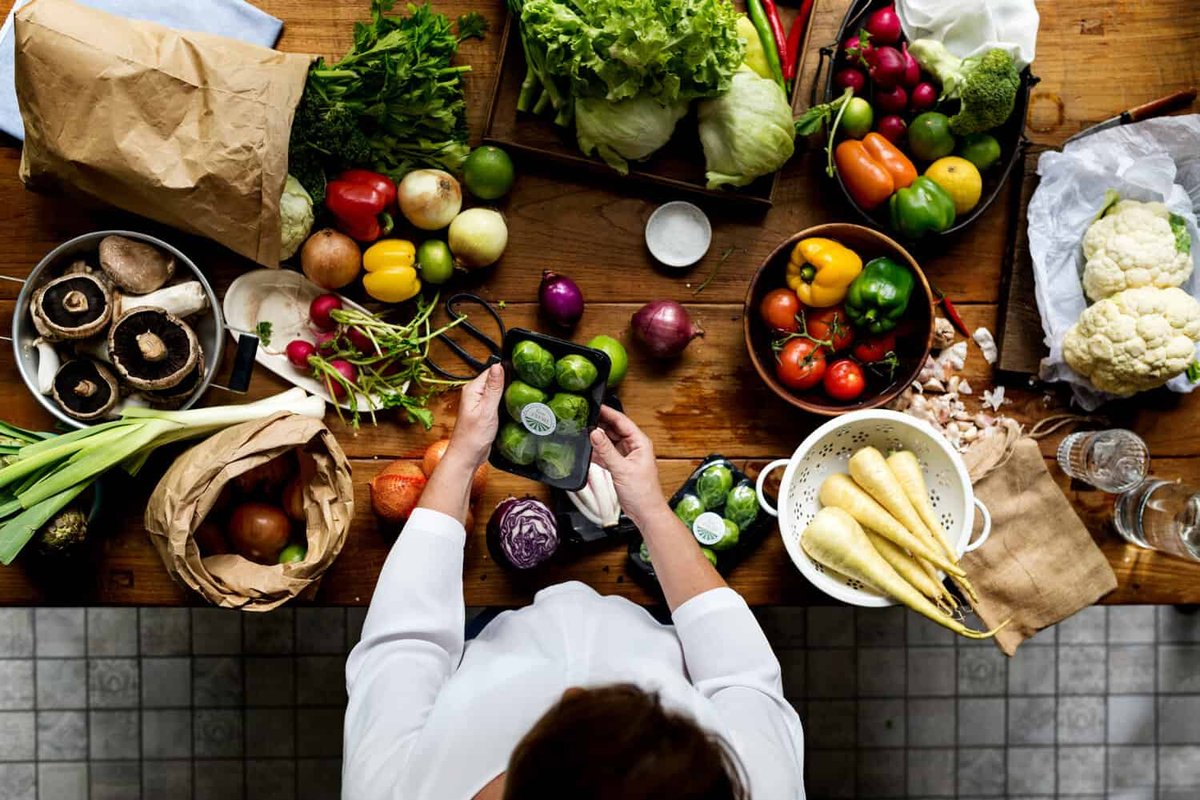
Imagine transforming your weekly Community Supported Agriculture (CSA) box, brimming with vibrant, freshly picked produce, into a glass of pure, concentrated goodness. That's the power of farm-to-table juicing options—a direct route from local fields to your healthy, refreshing beverage. It's about more than just a drink; it's a commitment to fresh, local ingredients, packed with nutrients, and a delicious way to maximize your harvest.
This guide will walk you through everything you need to know, from selecting the best produce to crafting invigorating recipes, ensuring your juicing journey is both enjoyable and incredibly beneficial.
At a Glance: Your Guide to Farm-to-Table Juicing
- What it is: Transforming local, seasonal fruits and vegetables, often from CSA boxes, into nutrient-dense juices or filling smoothies.
- Key Benefits: Boosts nutrient intake (vitamins, minerals, antioxidants), aids digestion, supports detoxification, and offers a tasty way to increase your fruit and veggie consumption.
- Juice vs. Smoothie: Juices offer concentrated nutrients with fiber removed for quick absorption; smoothies blend whole ingredients, retaining fiber for satiety and digestive health.
- Ingredient Focus: Prioritize fresh, seasonal produce from your CSA. Think leafy greens, root vegetables, berries, and citrus, enhanced with herbs and spices.
- Essential Gear: A quality juicer (centrifugal for speed, cold-press for nutrient preservation) and/or a high-powered blender for smoothies.
- Smart Storage: Store fresh juices and smoothies in airtight containers, full to the brim, in the fridge for 1-2 days, or freeze for longer preservation.
- Beyond the Glass: Understand how juicing fits into a broader farm-to-table lifestyle, supporting local farms and sustainable practices.
Why Go Farm-to-Table with Your Juices?
The farm-to-table movement isn't just a trend; it's a philosophy that champions fresh, seasonal produce, healthy ingredients, and sustainable farming practices. When you apply this to juicing, you're not just making a drink; you're creating a nutrient-packed elixir from ingredients at their peak flavor and nutritional value.
CSA boxes are a cornerstone of this movement, delivering a bounty of local produce directly from the farm. Juicing allows you to creatively use every last bit of that harvest, minimizing waste and maximizing your intake of concentrated vitamins, minerals, antioxidants, and phytonutrients. It’s an easy way to elevate your diet, aiding detoxification, enhancing nutrient absorption, and bringing delightful variety to your daily routine.
Juice vs. Smoothie: Understanding the Difference
Before we dive into recipes and techniques, let’s clarify the fundamental difference between juicing and blending—both excellent ways to consume more produce, but with distinct characteristics.
Juices: These are the concentrated liquid extracted from fruits and vegetables, with the fiber removed. Think of it as a shot of pure micronutrients.
- Pros: Quick nutrient absorption, provides a high concentration of vitamins (A, C, K), minerals (Magnesium, Potassium), antioxidants, and phytonutrients without the bulk. Great for those seeking a rapid nutritional boost or who struggle to consume enough whole produce.
- Cons: Less filling due to fiber removal, can lead to a quicker blood sugar spike if fruit-heavy.
Smoothies: These are made by blending whole fruits and vegetables, retaining all the fiber. They are thicker, more filling, and often incorporate other ingredients like yogurt, protein powder, or nuts. - Pros: Retains all fiber, promoting satiety and supporting digestive health. Offers a steady release of energy and can be easily fortified with protein for muscle and metabolism support. Can serve as a more complete, balanced meal.
- Cons: Can be calorie-dense depending on ingredients, absorption of some nutrients might be slightly slower due to fiber.
Ultimately, both have a valuable role in a healthy diet. Juicing complements a whole-foods diet by boosting fruit and vegetable intake, while smoothies can be fantastic, fiber-rich meal replacements or substantial snacks. Neither is a substitute for a balanced diet of whole foods, but they are powerful allies in culinary creativity and nutritional enhancement.
Crafting Your Perfect Blend: Ingredient Selection & Flavor Profiles
The beauty of farm-to-table juicing lies in embracing seasonality and local availability. Your CSA box is your culinary canvas, offering a rotating palette of fresh produce to inspire your next delicious creation.
Fruits: The Sweet & Tangy Foundation
Fruits often provide the sweetness and tang that make juices and smoothies enjoyable. They're also powerhouses of vitamins and antioxidants.
- Apples: A fantastic base, offering natural sweetness and Vitamin C. They pair well with almost any other ingredient.
- Berries (strawberries, blueberries, raspberries): Bursting with antioxidants and vibrant flavor. Great for adding a refreshing tartness.
- Oranges & Pineapples: Deliver a tropical sweetness and a hefty dose of Vitamin C.
- Pomegranates: Offer a unique tartness and potent antioxidants.
- Bananas & Avocados: Essential for smoothies, providing creamy texture and healthy fats.
- Mangos & Cherries: Sweet, flavorful, and packed with vitamins. Cherries are also known for anti-inflammatory properties.
Vegetables: The Nutrient Powerhouses
Don't shy away from vegetables in your blends! They're where many of the deepest nutrients reside, often balancing the sweetness of fruits.
- Leafy Greens (Kale, Spinach, Swiss Chard): Rich in Vitamins A, C, and K. Kale brings an earthy, slightly bitter note, while spinach is milder. Roll them tightly to fit your juicer chute.
- Beets: Provide an earthy sweetness and are known for stamina-boosting nitrates. Their vibrant color is a bonus.
- Carrots: A classic juicing vegetable, offering natural sweetness and a huge dose of beta-carotene (Vitamin A).
- Cucumbers & Celery: High in water content, excellent for hydration and a mild, refreshing base. They're also great for juicer yield.
- Zucchini: Mild-flavored and adds volume, especially to smoothies.
- Tomatoes: Offer a savory, slightly sweet flavor, excellent in more veggie-forward juices.
Flavor Enhancers: The Aromatic Accents
These additions can elevate your drink from good to extraordinary, adding depth, warmth, or a refreshing kick.
- Mint: Offers a burst of freshness, especially good with berries or citrus.
- Ginger & Turmeric: Both renowned for their anti-inflammatory properties, ginger provides a spicy warmth, while turmeric offers an earthy, slightly peppery note and a beautiful golden hue.
- Lemon/Lime: A squeeze of citrus zest brightens any blend, balancing flavors and adding Vitamin C.
- Natural Sweeteners: If your blend needs a little extra sweetness, opt for natural choices like a drizzle of honey, maple syrup, or date paste over refined sugars.
Winning Combinations: Blending for Balance
Experimentation is key, but here are some classic pairings to get you started:
- Sweet & Tart Fruit Mixes: Apple/Orange, Pineapple/Pomegranate.
- Refreshing Citrus & Berry Fusions: Orange/Raspberry, Lemon/Blueberry.
- Earthy Veggie & Root Blends: Carrot/Beet, Cucumber/Tomato.
- Green Detox Power: Kale/Apple/Cucumber/Ginger.
- Tropical Bliss Smoothie: Mango/Pineapple/Spinach/Coconut Water.
Beyond the Basics: Advanced Blending Techniques
Once you've mastered the fundamentals, these tips can help you refine your juicing and smoothie game.
Achieving Thick, Velvety Textures (for Smoothies)
A high-powered blender is your best friend here. Start with dense bases like ripe bananas or creamy avocados. Incorporate high-fiber ingredients like berries (especially with their skins), or even a green apple with the peel, for a naturally thicker consistency. Don't be afraid to add a few ice cubes for extra volume without diluting flavor.
The Chill Factor: Coldness Without Dilution
Nobody wants a warm juice or a watered-down smoothie. The secret is using ice and frozen fruits. Add cold ingredients last to help maintain the chill. Freezing your fruit before blending ensures a thick, frosty smoothie without the need for excessive ice, which can dilute the flavor.
Mastering Flavor Balance: A Culinary Art
This comes with practice. Start with a sweet or mild base, like apple juice or a handful of berries. Then, incrementally add more potent flavors like spicy ginger or a pinch of cayenne pepper, tasting as you go. It's easier to add more than to correct an overpowering ingredient. A squeeze of lemon or lime can often brighten and balance flavors that feel too heavy or dull.
The Right Tools for the Job: Juicers, Blenders, & Accessories
Having the right equipment makes all the difference in the world, streamlining your process and ensuring the best possible results.
Juicers: Your Extracting Engine
- Centrifugal Juicers: These are typically faster and more affordable. They work by spinning produce at high speeds against a grater, separating juice from pulp. They're great for harder fruits and vegetables like apples and carrots. However, the high speed can introduce heat and oxidation, potentially reducing some nutrient content, and they're less efficient with leafy greens.
- Cold-Press (Masticating) Juicers: These operate slower, "chewing" and pressing produce to extract juice. This gentle method minimizes heat and oxidation, preserving more nutrients and enzymes. They are particularly efficient at juicing leafy greens and tend to produce a higher yield of juice. While more expensive, they are the preferred choice for those serious about nutrient preservation.
Blenders: The Heart of Your Smoothies
- High-Speed Blenders: Essential for achieving truly smooth, creamy smoothies. Brands like Vitamix or Blendtec can handle tough ingredients like fibrous greens, ice, and frozen fruit without a struggle, leaving no chunks behind. If you're serious about smoothies, this investment is worth it. For a good fresh juice option, you might want to Find Juice Generation near you and see what equipment they use!
Essential Accessories: Making Life Easier
- Juicer Cleaning Brushes: Crucial for quickly and thoroughly cleaning your juicer, especially the mesh filter.
- Produce Storage Containers: Keep your CSA harvest fresh in the fridge, ready for juicing.
- Glass Storage Bottles: Ideal for storing freshly made juices and smoothies, as glass doesn't impart flavors and is easy to clean. Look for airtight options.
From Harvest to Health: Preparation & Process
The journey from your farm-fresh produce to a vibrant drink involves a few key steps that ensure maximum nutrient retention and optimal flavor.
Pre-Juicing Prep: Setting the Stage
- Wash Thoroughly: Always wash your produce thoroughly under cold running water, even if it's organic. A vegetable brush can help remove dirt from root vegetables.
- Cut to Size: Chop fruits and vegetables into pieces that comfortably fit your juicer's chute. This prevents jamming and ensures efficient extraction.
- Roll Leafy Greens: To maximize juice extraction from greens like kale and spinach, roll them into tight balls or bundles before feeding them into the juicer.
- To Peel or Not to Peel?: Generally, leave peels on organic produce like apples and carrots for extra nutrients. Peel citrus fruits, pineapples, and thick-skinned items to avoid bitterness or tough textures. For soft fruits like berries, no peeling is necessary.
- Prep Just Before Juicing: Nutrients begin to degrade once produce is cut. For optimal freshness and nutritional value, prep your ingredients just before you plan to juice or blend.
The Juicing Flow: Building Your Masterpiece
- Assemble Your Equipment: Make sure your juicer or blender is properly assembled and ready to go.
- Start with High-Yield Items: Begin with ingredients that produce a lot of juice, like cucumbers or celery. This helps "prime" the juicer and move other ingredients through.
- Introduce Sweet Elements: Follow with items like apples or carrots, which can help push through the greens and add a pleasant sweetness.
- Finish with Strong Flavors: End with potent ingredients like ginger, lemon, or turmeric to ensure their flavors are well incorporated and to cleanse the juicer's components.
- Clean Immediately: This is perhaps the most important tip! Juicer pulp can dry and harden, making it incredibly difficult to remove. Rinse and clean your juicer immediately after use for easy maintenance.
Recipe Inspirations: Tailoring Your Brew for Specific Goals
Your CSA harvest provides an endless canvas for health-focused concoctions. Here are some ideas, inspired by common goals:
Dairy-Free/Vegan Delight
Replace dairy milk with almond, coconut, oat, or soy milk.
- Zucchini Blueberry Smoothie: 1 small zucchini (peeled), 1 cup frozen blueberries, 1 banana, 1 cup almond milk, 1 tbsp chia seeds. Blends into a surprisingly creamy, sweet, and nutrient-rich drink.
- Mango Avocado Smoothie: 1 cup frozen mango chunks, ½ avocado, 1 cup coconut milk, a squeeze of lime. Luxuriously creamy and satisfying.
Protein-Packed Power-Up
Great for post-workout recovery or a filling breakfast.
- Peanut Butter Banana Smoothie: 1 ripe banana, 2 tbsp peanut butter, 1 scoop protein powder (whey, pea, or hemp), 1 cup milk (dairy or non-dairy). Add a handful of spinach for hidden greens!
- Green Goddess Protein Smoothie: 1 cup spinach, 1 scoop vanilla protein powder, ½ cup Greek yogurt (or silken tofu for vegan), ½ green apple, ½ cup water or almond milk.
Detox/Antioxidant Boost
Focus on ingredients known for cleansing and free-radical fighting.
- Blueberry Mango Smoothie: 1 cup frozen blueberries, ½ cup frozen mango, 1-inch fresh ginger, ½ tsp turmeric powder, 1 cup water or coconut water. A vibrant, anti-inflammatory blend.
- Citrus Berry Zinger Juice: 2 oranges (peeled), 1 cup mixed berries, 1-inch fresh ginger, ½ lemon (peeled). A tart and refreshing immune booster.
Immune-Boosting Elixir
Load up on Vitamin C and other immune-supporting nutrients.
- Orange & Ginger Juice: 3 oranges (peeled), 1 large carrot, 1-inch fresh ginger. A classic, sweet, and spicy blend.
- Berry Citrus Juice: 1 grapefruit (peeled), 1 cup strawberries, ½ lemon (peeled), a small piece of turmeric. Power-packed with Vitamin C.
Digestive Health Hero
Include soluble fiber and enzymes for a happy gut.
- Apple & Leafy Greens Juice: 2 green apples, 1 cup kale, 2 stalks celery, a handful of parsley. A classic green juice that's surprisingly palatable.
- Pineapple & Mint Juice: 1 cup pineapple chunks, 1 cucumber, a small handful of fresh mint. Pineapple contains bromelain, an enzyme that aids digestion.
Anti-Inflammatory Warrior
Harness the power of ginger, turmeric, and anti-inflammatory fruits.
- Turmeric & Carrot Juice: 4 large carrots, 1-inch fresh ginger, ½ inch fresh turmeric root, a pinch of black pepper (to enhance turmeric absorption).
- Cherry & Celery Juice: 1 cup tart cherries (pitted, fresh or frozen), 3 stalks celery, ½ green apple. Tart cherries are known for their anti-inflammatory benefits.
Making It Last: Storage & Preservation Secrets
While fresh is always best, sometimes you want to prepare a larger batch or save some for later. Proper storage is key to extending the life and nutrient content of your juices and smoothies.
Extending Freshness in the Fridge
- Airtight Containers: Use glass or BPA-free plastic containers with tight-fitting lids. This minimizes exposure to oxygen, which causes oxidation and nutrient degradation.
- Fill to the Top: Reduce air space in the container by filling it as much as possible.
- Refrigerate Promptly: Store immediately in the coldest part of your refrigerator.
- Shelf Life: Freshly made juices are best consumed within 24-48 hours. Smoothies, due to their fiber content, can last 1-2 days, though texture may change slightly.
Freezing for Longer Preservation
- Portion Control: Freeze juices or smoothies in single-serving sizes using ice cube trays, freezer-safe bags, or small containers.
- Seal Tightly: Ensure everything is sealed tightly to prevent freezer burn.
- Thawing: Thaw frozen portions in the refrigerator overnight. You might need to stir or re-blend smoothies after thawing to restore consistency.
- Optimal Duration: While frozen items can last several months, optimal taste and nutrient quality are best maintained within one month.
Addressing Your Top Concerns & Clearing Up Myths
Juicing and blending are fantastic tools for health, but it's important to approach them with accurate information.
Potential Side Effects & Considerations
- Initial Detox Headaches: Some people might experience mild headaches when first introducing significant amounts of juice to their diet, sometimes attributed to detoxification. If discomfort is significant, over-the-counter pain relievers like Tylenol or Ibuprofen are permissible.
- Potassium Intake: Leafy greens are high in potassium. If you have kidney issues, monitor your intake and consult with a healthcare professional to ensure it aligns with your dietary restrictions.
- Blood Sugar: Be mindful of the sugar content in fruit-heavy juices, especially if you have diabetes or insulin sensitivity. Balance with plenty of vegetables to mitigate spikes.
Debunking Common Juice Myths
- Juices are Complete Meal Replacements: While smoothies can be formulated as balanced meals, juices alone typically lack sufficient protein, healthy fats, and fiber to be considered a complete meal. They are powerful supplements, not substitutions for whole foods.
- You Must Drink Juice on an Empty Stomach: While some suggest this for "optimal nutrient absorption," it's not mandatory. Your body will absorb nutrients whether your stomach is empty or not. Drink juice when it fits best into your schedule.
- Juices are Disease Cures: Juices are incredibly healthy and can support your body's natural healing processes and boost overall health, but they are not magical cures for diseases. Always consult medical professionals for health conditions.
- All Recipes Lower Blood Pressure: While certain ingredients like beets and celery are known to support healthy blood pressure, not all juice recipes will inherently lower blood pressure. Focus on a balanced diet and healthy lifestyle for systemic benefits.
The Broader Farm-to-Table Movement: Beyond Your Glass
The principles guiding your farm-to-table juicing—freshness, seasonality, local sourcing, and healthy ingredients���are part of a larger, impactful movement. This philosophy extends beyond your kitchen, influencing everything from fine dining to convenient meal services designed for busy lifestyles.
Farm-to-table meal services, for instance, have emerged as a popular option for those seeking the benefits of fresh, seasonal, and often organic ingredients without the extensive planning or grocery shopping. Companies like Sakara Life, Territory, Sunbasket, Purple Carrot, Real Eats, Green Chef, and Daily Harvest are leaders in this space. They deliver pre-portioned, often organic or responsibly sourced ingredients (or even fully prepared meals) right to your door.
These services embody the farm-to-table ethos by:
- Prioritizing Freshness: Sourcing ingredients at their peak flavor and nutritional value.
- Promoting Healthy Eating: Offering meals that are rarely processed and focused on whole, nutritious components.
- Supporting Sustainability: Many partners with local farms, reduce food waste, and use eco-friendly packaging, contributing to a healthier planet.
Whether you're blending up a batch of greens from your CSA or ordering a meticulously crafted meal kit, embracing farm-to-table options means making a conscious choice for your health and for the environment.
Your Next Step Towards Juicing Success
You're now equipped with the knowledge to transform your farm-fresh produce into delicious, nutritious beverages. Start small, experiment with flavors, and let your CSA harvest guide your creations. Remember, consistency is key, and every glass of homemade juice or smoothie is a step towards a healthier, more vibrant you. Embrace the journey of discovery, savor the natural flavors, and enjoy the incredible benefits that farm-to-table juicing brings to your life.